

Businesses across the UK are under growing pressure to reduce plastic use, improve recyclability, and comply with new packaging regulations such as Extended Producer Responsibility (EPR). Nowhere is this shift more visible than in the takeaway coffee sector, where traditional disposable cups often contain hidden plastic linings that make recycling difficult.
This guide explains what truly plastic-free printed paper cups are, how they differ from PE-lined and PLA-lined alternatives, and why more cafés, hospitality groups, and food-to-go brands are switching to fully recyclable solutions.
If you’re sourcing custom printed paper cups in the UK, this page will help you make the right long-term decision for compliance, sustainability, and brand reputation.
What Makes a Coffee Cup “Plastic-Free”?
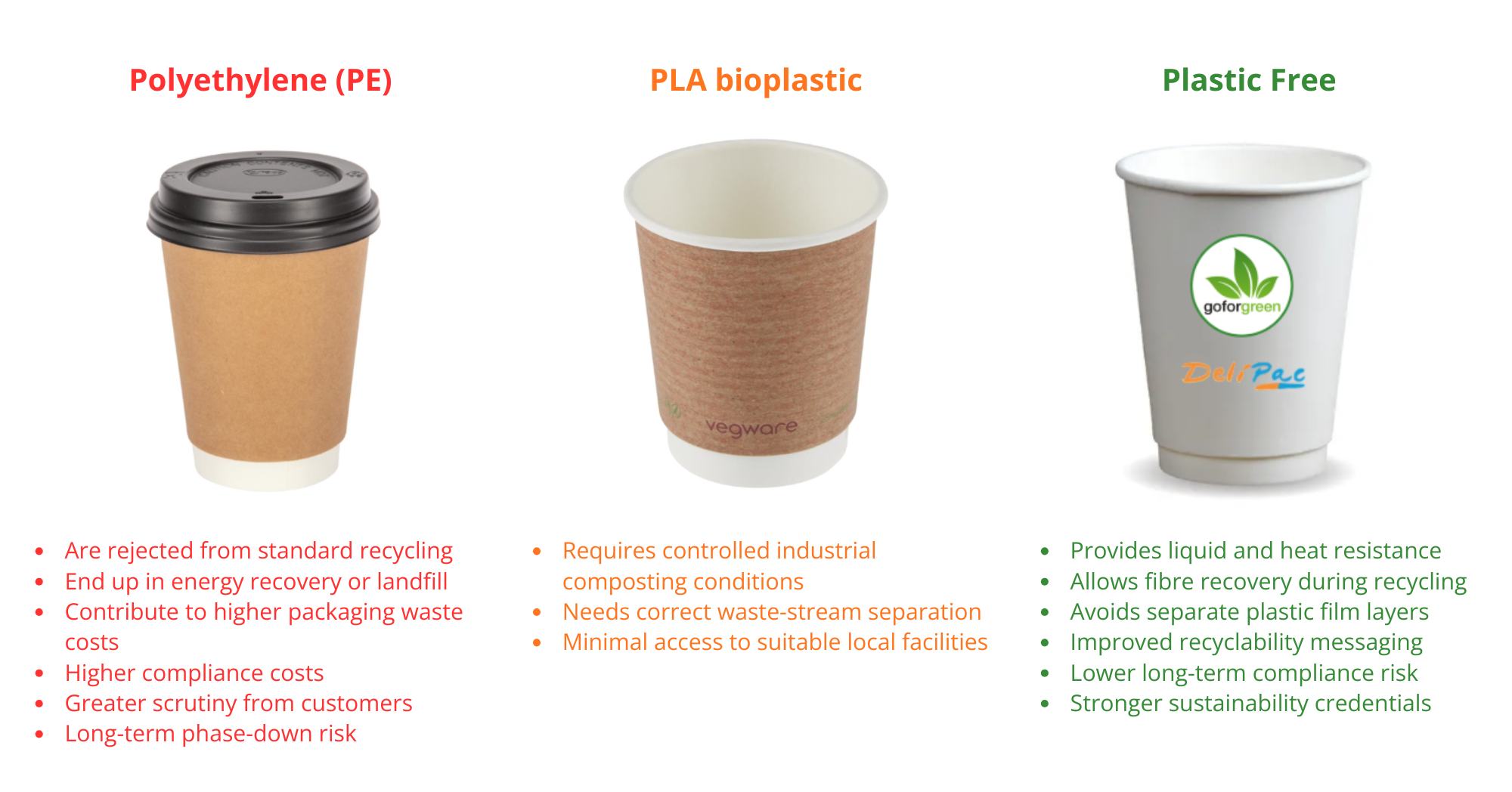
Most disposable coffee cups are made from paperboard combined with a thin internal barrier layer that prevents leaks. Historically, that barrier has been:
Polyethylene (PE) – a fossil-fuel-based plastic
PLA bioplastic – plant-derived but still requiring specialist processing
A plastic-free paper cup replaces these linings with an alternative barrier coating that:
Contains no conventional plastic or bioplastic film
Maintains heat and liquid resistance
Can be processed within standard UK paper recycling streams (subject to local infrastructure)
This distinction is critical for businesses aiming to improve recyclability and prepare for tightening environmental regulation.
The Problem with Traditional PE-Lined Coffee Cups
PE-lined cups dominate the global takeaway market because they are cheap, durable, and widely available. However, they create significant sustainability challenges.
Difficult to Recycle at Scale
The bonded plastic layer must be separated from paper fibres during recycling. Only specialist facilities can do this, meaning many cups:
Are rejected from standard recycling
End up in energy recovery or landfill
Contribute to higher packaging waste costs
Increasing Regulatory and Cost Pressure
UK environmental policy is shifting responsibility for waste onto producers and supply chains. Packaging that is harder to recycle is likely to face:
Higher compliance costs
Greater scrutiny from customers
Long-term phase-down risk
For hospitality brands planning ahead, reliance on PE-lined cups is becoming harder to justify.
Are PLA Compostable Cups the Solution?
PLA-lined cups are often marketed as eco-friendly because the lining is plant-based rather than fossil-fuel-derived. But in practice, they present different challenges.
Require Industrial Composting Infrastructure
PLA does not break down in normal recycling or home composting. It needs:
Controlled industrial composting conditions
Correct waste-stream separation
Access to suitable local facilities
In many parts of the UK, this infrastructure is limited. When PLA cups enter general waste or recycling, they can contaminate streams rather than improve sustainability.
Risk of Greenwashing Perception
As awareness grows, businesses are becoming cautious about sustainability claims that depend on ideal disposal behaviour rather than real-world outcomes.
This is why many organisations are now exploring fully recyclable, plastic-free fibre cups instead.
How Plastic-Free Barrier Technology Works
Modern plastic-free cups use advanced water-based or mineral-based dispersion coatings applied directly to paper fibres. These coatings:
Provide liquid and heat resistance
Allow fibre recovery during recycling
Avoid separate plastic film layers
The result is a cup designed to behave much more like standard recyclable paper packaging within UK waste systems.
For environmentally conscious brands, this offers a clearer pathway toward:
Improved recyclability messaging
Lower long-term compliance risk
Stronger sustainability credentials
Why UK Regulation Is Accelerating the Shift
Packaging legislation is tightening across the UK, particularly through Extended Producer Responsibility (EPR) reforms. These changes aim to ensure that businesses placing packaging on the market contribute more directly to the cost of managing waste.
In practical terms, this means:
Hard-to-recycle packaging is becoming financially riskier
Recyclable fibre-based solutions are becoming strategically safer
Procurement teams are reviewing long-term packaging choices now
Switching to plastic-free recyclable paper cups is increasingly seen as a proactive compliance move rather than just a sustainability gesture.
Benefits of Plastic-Free Printed Paper Cups for Your Brand
1. Clearer Recyclability Story
Customers, councils, and regulators all prefer packaging that fits existing recycling systems without special handling.
2. Future-Ready Compliance
Moving away from plastic linings reduces exposure to:
Rising EPR-related costs
Plastic reduction policies
Changing retailer or landlord requirements
3. Stronger Brand Perception
Sustainability is now a core purchasing factor for many consumers. Visible action—like switching cup materials—can meaningfully improve brand trust.
4. High-Quality Custom Printing
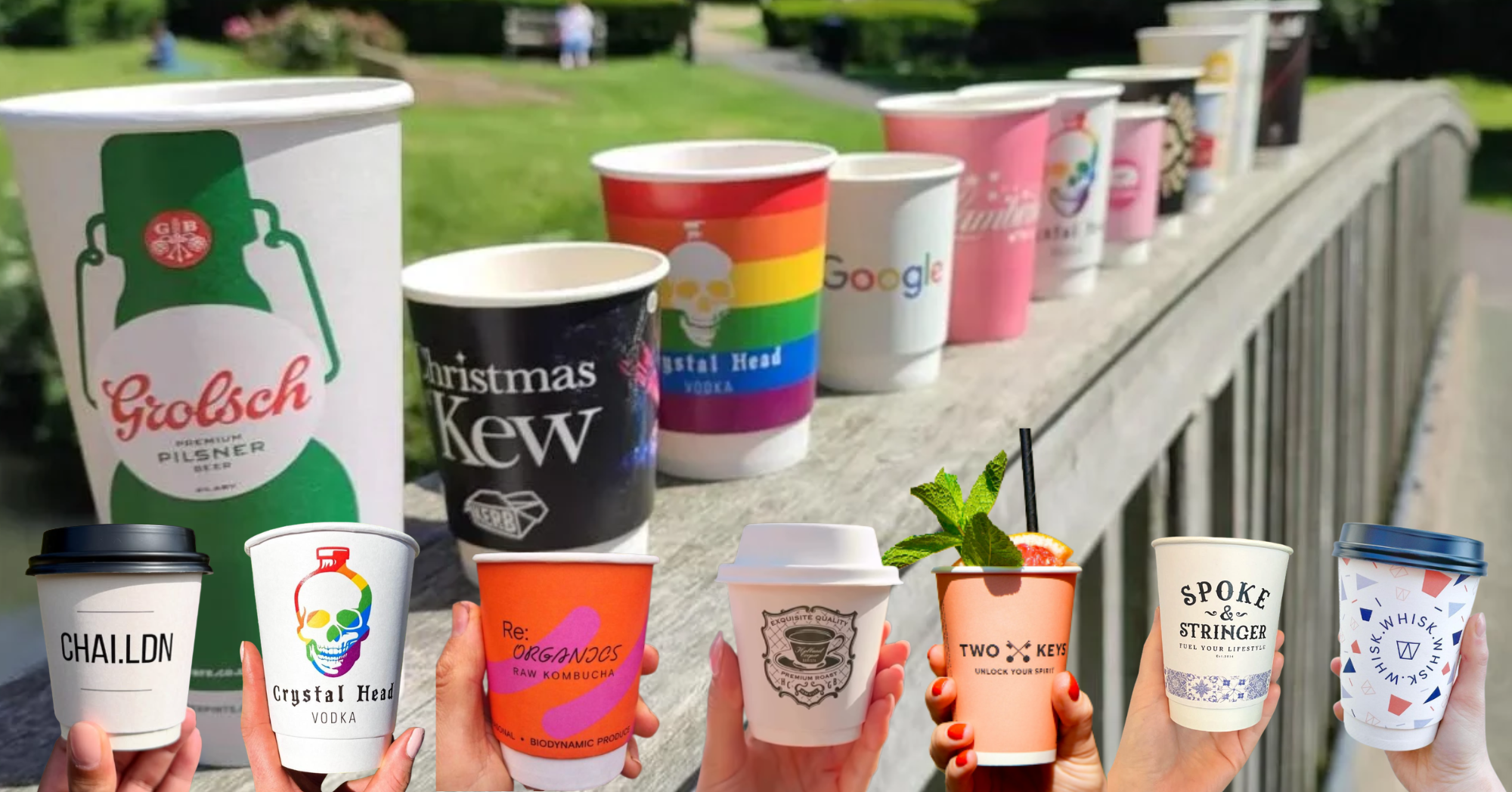
Plastic-free technology does not mean compromising on branding. Modern production supports:
Full-colour printing
Multiple cup sizes
Consistent large-run quality
This allows businesses to combine environmental responsibility with strong visual identity.
Choosing the Right Printed Paper Cup Supplier in the UK
When sourcing plastic-free cups, buyers should evaluate more than just price.
Key Questions to Ask
Is the cup genuinely plastic-free?
Some products reduce plastic rather than eliminate it.
Is it compatible with UK recycling streams?
Evidence and testing matter.
What print quality and colour consistency are offered?
Brand presentation remains critical.
What are the minimum order quantities and lead times?
Supply reliability is essential for multi-site operators.
Working with an experienced UK manufacturer helps ensure technical performance, regulatory awareness, and dependable logistics.
Custom Printed Plastic-Free Cups for Cafés, Chains, and Food-to-Go Brands
Explore our full range of plastic-free printed paper cup sizes to find the right option for your drinks menu. Plastic-free printed paper cups are now used across:
Independent coffee shops
National café chains
Contract caterers
Event and venue hospitality
Corporate workplaces
With the right supplier, businesses can achieve:
Consistent nationwide supply
Scalable print runs
Packaging aligned with sustainability targets
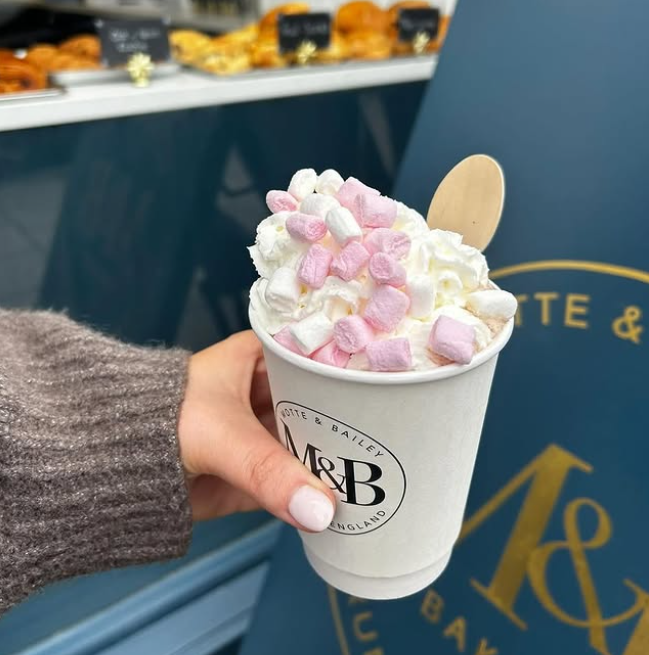
Request Samples or a Quote
If you’re reviewing your takeaway packaging or preparing for upcoming compliance changes, switching to plastic-free printed paper cups is one of the most effective steps you can take.
You can:
Request free cup samples
Discuss custom print requirements
Receive clear pricing and lead times
Contact our team today to explore recyclable, plastic-free cup solutions tailored to your business.
Frequently Asked Questions
Are plastic-free coffee cups fully recyclable in the UK?
Many are designed to be processed within standard paper recycling systems, though acceptance ultimately depends on local authority infrastructure.
Do plastic-free cups cost more than PE-lined cups?
Unit prices can be slightly higher, but long-term regulatory and brand benefits often more than outweigh the difference.
Can I print my logo in full colour?
Yes. Modern plastic-free cups support high-quality custom branding across multiple sizes.
Start Your Transition to Plastic-Free Cups
Sustainability expectations, regulation, and customer awareness are all moving in the same direction. Businesses that act early gain:
Stronger environmental credibility
Reduced future compliance risk
Packaging aligned with modern recycling systems
View available printed paper cup sizes and specifications, or Speak with our team today to request samples and begin your move to fully recyclable, plastic-free printed paper cups